10 Important Skills Your Social Media Manager Needs in 2017
Having someone with the right mix of skills can boost your company’s social media presence.

This story originally appeared on
A decade ago, the role of a might not have even existed. Today, however, almost every company is involved in social media one way or another.
Related: Top 10 Social Media Management Tools You Should Try Now
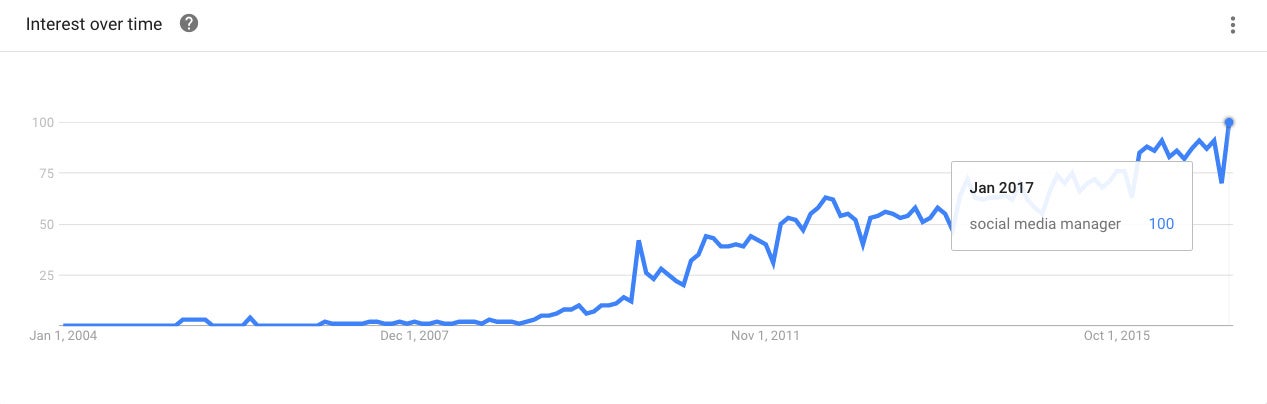
A quick look at Google Trends shows the rise in interest in the term “social media manager” over the years, and it seems that people have never been as interested in the term as they are today.
What does it take to be a great social media manager? What are the skills to master and traits to have? How can you work on those areas?
In this post, we’ll try our best to answer all those questions. We’ll share 10 skills and traits that are crucial to being a great social media manager and relevant resources to help you improve in those areas.

Skills vs. traits
Throughout this post, we’ll discuss the various skills and traits we feel are most important for social media managers. But before we dive in, I quickly wanted to share some of my learnings about the difference between skills and traits.
Here’s a great explanation of skills vs traits from :

When it comes to finding your ideal social media manager, I feel you may be looking for the right mix of tangible skills (things like copywriting and analytics) and traits (such as curiosity).
7 skills top social media managers share
1. Copywriting
Copywriting is a fundamental skill for social media marketing (and probably all areas of marketing). Writing good copy is required in many areas of a social media manager’s role, from filling up your to crafting tweets and Facebook posts.
To , you have to fit a captivating story into your social media post and without great copywriting skills that can be difficult.
To enhance your copywriting skills, I’d highly recommend studying a few copywriting formulas to help you craft inspiring copy. Finding a copywriting formula (or two) that works for you can be a great productivity boost and also improve the quality of the social media content you publish.
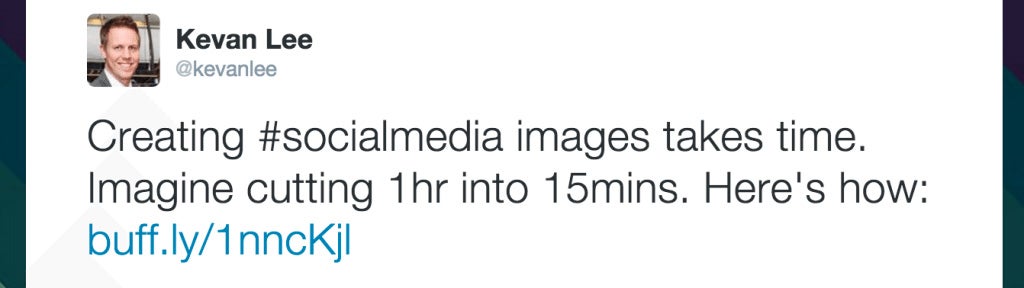
One of our favorite copywriting techniques here at Buffer is the “Before — After — Bridge’ — you may recognize it from a few of our blog posts and social posts. Here’s how it works:
Before — After — Bridge
Before — Here’s your world 鈥�
After — Imagine what it’d be like, having Problem A solved 鈥�
Bridge — Here’s how to get there.
Example:
Resources
- (blog)
- (blog post by KISSmetrics)
2. Design (graphics and videos)
Research has found that social media posts with images receive and want to see more videos content in the future.

Social media evolved a great deal over recent years, and we have moved away from mostly plain text based updates towards visual content such as images and videos. is becoming an essential skill for social media managers.
Resources
- (courses and articles)
- (blog post by Buffer)
- (blog post by Social Media Examiner)
- (blog post by Buffer)
3. Public speaking (confidence in front of an audience)
With features and apps like , and Periscope, live videos are becoming more and more important on social platforms. And marketers have noted this change, with saying they want to create more live videos.
Why are marketers excited about live video? I believe the answer is two-fold: reach and engagement. Facebook Live videos are more likely to when those videos are live than after they are no longer live. From an engagement perspective, live content also provides opportunity for high-engagement and 1:1 interactions with audiences.
To tap into the live video trend, social media managers have to be confident enough to go live on social media to connect with their audience. Having public speaking skills will help you to present your ideas, interview guests, answer impromptu questions and chat with your followers in real-time.
Related:
If you want to see our awesome social media manager, , in action, you can find his live videos . And below is a short clip of Brian discussing viral content:
Resources
- (resources and community)
- (blog post by Inc.)
- (blog post by Mashable)
4. Customer service/community engagement
Social media is the , but only use social media for . This means there’s a huge opportunity here to provide remarkable customer service experiences.
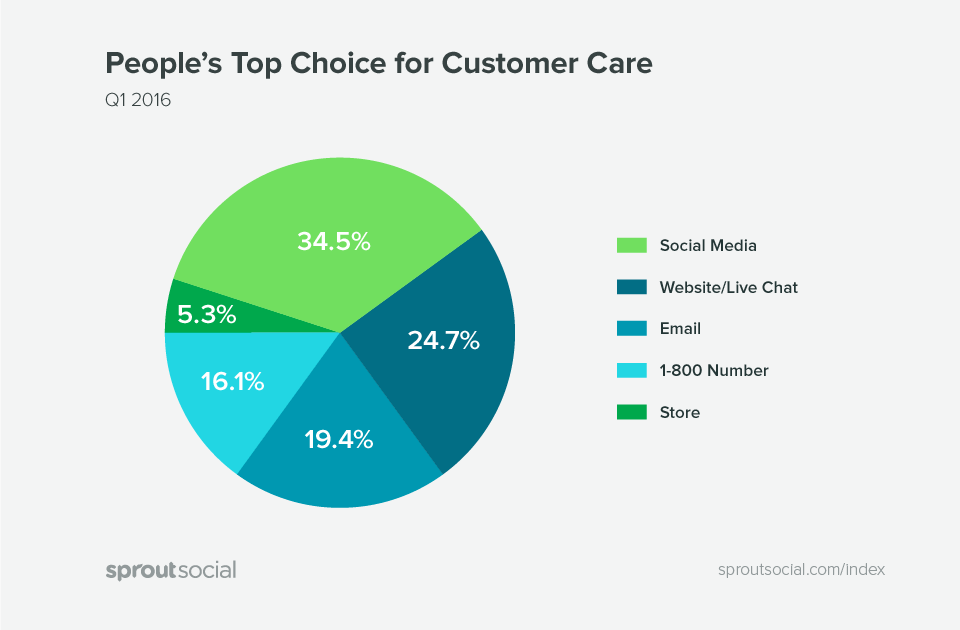
As the face of your company on social media and the person who is likely to be responding to at least some of the messages your brand receives on platforms like Twitter and Facebook, it’s important for social media managers to have conversational skills and empathy to help you customers on social media.
is quite similar in many ways. A great social media community manager is able to ask the right questions to facilitate engagement and answer questions about the product, company or industry.
Resources
- (podcast)
- (video by Bren茅 Brown)
- (blog by Respond)
- (blog)
5. Behavioral Psychology
With data and analytics, you know what type of social media posts do well. Behavioral psychology tells you the why — for example, why are people attracted to certain posts? Why do people share certain posts?
Knowing the what allows you to spot trends and try to repeat past successes; knowing the why enables you to understand the underlying causes for those trends in order to try and create future successes.
For example, your data might tell you that . Based on just that information, you might create more tweets with images. However, it could be that your followers prefer visual content. Without knowing the , you might miss out on opportunities to create other types of visual content such as videos and .
You certainly don’t need a degree or high level of expertise in psychology to be a social media manager, but a keenness to learn and understand psychology at some level is an important skill.
Resources
- (blog by Nir Eyal)
- (blog post by Gregory Ciotti)
- (eBook by HubSpot)
- (blog post by Buffer)
6. Analytics
The term, ‘Analytics,’ is used quite broadly here, referring to both (e.g. likes, comments, shares etc.) and (e.g. traffic, leads, conversions, revenue etc.). A great social media manager is able to understand both types of metrics and tie them together to give an overall view of the .
A social media manager should be the guiding light in your business when it comes to measuring your performance across various social channels. As such, learning the ins and outs of social media metrics and judging which ones are meaningful for your business is essential for a social media manager.
For example, if your goal is to drive traffic from social media channels to your website and drive sales, being able to attribute traffic and conversions back to channels and even certain posts will help your team to understand what content is helping you to achieve your goals.
Knowing how to read and interpret data is now an important skill for social media managers.
Resources
- (course by Quintly)
- (resource by Google)
- (video by Dave McClure)
- (blog)
7. Budgeting
As a social media manager, you might be allocated a to work with. Apart from , you might have to pay for things like a social media management tool, , or . Having some basic financial and budgeting knowledge can make you better on the job.
While you might not need to be an Excel expert, can be very valuable.

Resources
- (blog post by Buffer)
- (template by Demand Metrics)
- (blog post and templates by HubSpot)
- (Udemy course)
3 personality traits great social media managers exhibit
8. Curiosity
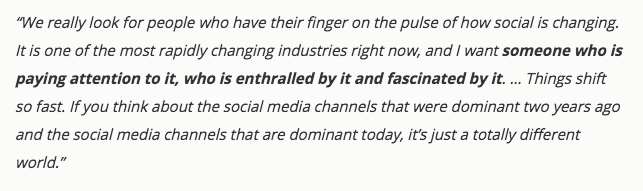
A curious social media manager would immerse herself in the social media world, staying up-to-date with the latest development and experimenting with new social media marketing strategies.
Related:
Brian Peters is an epitome of this quality. When we discovered that videos, especially live videos, are becoming popular on social media, Brian immediately started making more videos on and . When Snap Inc. launched Spectacle, Brian got it as soon as he could .

said this really well when she :
Resources
- (blog post by HubSpot)
- (blog post by Fast Company)
9. Adaptability
Adaptability complements curiosity. When you discover something new or spot a trend, being able to quickly adapt to it can keep you ahead of the curve.
For example, the most engaging type of has shifted from texts to images to videos. In , Mark Zuckerberg was reported to have said:

A great social media manager is able to keep up with such changes and pick up the necessary skills (e.g. graphic design, video making etc.). (Imagine when virtual reality becomes the most popular type of content!)
Resources
- (blog post by Fast Company)
- (Quora thread)
- (blog by Tim Ferriss)
- (book by Peter C. Brown)
10. Business Savviness
Being able to generate likes and shares is great; knowing how social media fits in with the entire business strategy is even better! A business-savvy social media manager sees the bigger picture and understands the role of social media in the company.
They understand which metrics are most relevant and crucial to the business and how social media can help to push them higher. For example, a B2B social media manager might focus on generating leads for her sales team while a B2C social media manager might focus on increasing customer purchases directly. This way, her impact goes beyond just social media but to the entire company.
Resources
- (blog post by HubSpot)
- (podcast by Buffer)
Skills and traits others think are important
To give you an unbiased view on this topic, I’d love to share the skills and traits that other companies and individuals think are important:
by HubSpot
- Content creation
- Marketing analytics
- News junkie
- Customer service
- Community management
- Funnel marketing
- Project management
Lindsay Kolowich of HubSpot also mentioned the necessary skills for each of these areas in this article.
by Jeff Bullas
- Strategy planning
- Tactics and execution
- Community management
- Understand how content works on a social web
- Optimizing content and technology
- Creative mindset
- Writing skills
- Be on top of the latest digital marketing trends
- Analytical skills
- Leadership and communication skills
by HubSpot and Sprout Social
- Patience
- Technical aptitude
- Proactive
- Daring
- Passion
- Level of Experience
- Customer-first mentality
A decade ago, the role of a might not have even existed. Today, however, almost every company is involved in social media one way or another.
Related: Top 10 Social Media Management Tools You Should Try Now
A quick look at Google Trends shows the rise in interest in the term “social media manager” over the years, and it seems that people have never been as interested in the term as they are today.


